
What methods of mole and skin tag removal are available in Algonquin, IL?
Posted by Dr. Vikram Khanna
What types of growths may be found on the skin?
- Moles
- Skin tags
- Warts
- Angiomas
- Keratosis
Reasons for removal
Some of these may rub against clothing or other skin because of their location, which can make patients uncomfortable. It may be painful for patients, which is why they seek removal. Another reason for removal is for cosmetic purposes. Patients may have a growth somewhere on the face or the hands which are in highly visible areas and cause patients to feel self-conscious about their appearance. In situations such as this, they may desire to have these growths removed in an elective procedure.CALL OUR OFFICE
Methods of removal
There are several methods used in our practice for the removal of skin growths. They include:
- Traditional excision
- Heating
- Freezing
A word about mole removal
 One of the biggest concerns when it comes to moles is skin cancer. Skin cancer is the easiest cancer to diagnose because it appears on the largest organ of the body: the skin. It is visible, which makes it simple to catch during annual skin cancer screenings at our practice. Many patients are born with moles on their body, but this doesn’t mean they are cancerous. However, if patients notice changes to their moles, in regard to the shape, color, and size, they may want to have their dermatologist remove a portion of the mole for a biopsy. Removal of a small portion is done and then sent off to a laboratory to evaluate it for signs of cancer. Moles that have developed cancer may require special treatment before actually removing them to ensure that they are removed alongside the cancerous cells. This is important to ensure that patients remain healthy. Mole removal in a situation like this may be done as an excision or with specialized procedures such as Mohs micrographic surgery, which can be performed by a specialist. It is best for patients with changes to their moles to have an evaluation performed by a dermatologist to look for possible indications of cancer.
Is mole removal permanent?
Moles are often present on the body at birth, and typically do not develop later on their own. Once a mole is removed in any of the above ways, it is permanently removed. It will not come back or redevelop on the skin. This is especially true when skin cancer has been ruled out. Any growth that causes concern for a patient should be evaluated by a dermatologist before they decide to have it removed. This is done to ensure safety and to monitor for possible indications of cancerous cells. With a proper and early diagnosis of skin cancer, patients have a higher success rate of treating the condition and returning their body to its cancer-free state.Screenings
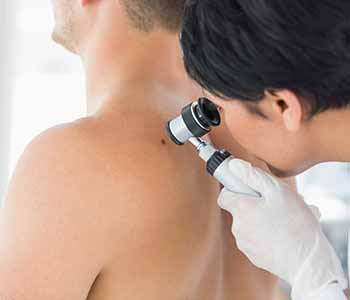 Due to skin cancer concerns, we recommend that patients schedule an annual screening with their dermatologist to look for the possible signs of skin cancer. Early detection is crucial to successful treatment and eradication.